Injuries when Lifting Pallets at Work
 Pallets can be fairly large and difficult to manually handle. If they have goods on them, the weight will likely increase.
But in the workplace there are specific health and safety regulations that employers must abide by in order to keep their staff safe from injury. These are covered in The Manual Handling Operations Regulations 1992.
Read More
How to Compare Personal Injury Lawyers – Who is the Best?
 If you’d have asked me this 12 months ago, I would have explained to you that it’s all about making sure your solicitor goes the extra mile when it comes to the service that they offer. But since the government changed the law in April 2013, it’s now more of a case of which lawyers is the cheapest!
Nowadays it’s somewhat of a pot of gold at the end of a rainbow to find a lawyer prepared to find your claim on the basis that you keep all 100% of your compensation if you win. This is because our government decided that victims of negligence should have to pay to claim when they stopped lawyers being able to recover all of their fees from the other side.
Read More
Had an accident in Morrisons? You may be entitled to claim!
 As one of the largest UK supermarkets, we’re more than used to fighting for people who have been injured in accidents in a Morrison’s store – and with all the new local ones popping up we expect more people to be looking to claim!
So what happens if you have an accident in a Morrison’s store? Perhaps you have slipped on a hazard on the floor, or tripped over something in an aisle? Are you able to win a claim for personal injury compensation against a large company like Morrison’s?
Read More
Injured Due to an Unsafe Work Area? Make a Claim Today
 There are plenty of potential hazards in the modern workplace, and there are plenty of health and safety rules and regulations that are designed to protect people from being injured in the line of duty.
When it comes to working with potentially hazardous equipment or materials, all reasonable steps should be taken to ensure that you are not at risk of injuring yourself.
Read More
The Injury Lawyers 100% Compensation Offer
 January – always a bit of a tight month after the big spend over Christmas and blowing a load more money in the after-Christmas sales! Add that to the fact most people are on a bit of a comedown after time off work over the festive period with friends and family, and we have a fairly unhappy population!
So here’s something to cheer you up – if you have had an accident and you have been thinking of making a claim, you may already be aware that last year there were loads of changes brought in by the government which have stopped lawyers being able to offer 100% compensation agreements.
But as a belated Christmas prezzie for you, we can still offer you a 100% compensation agreement! The law changes have stopped solicitors recovering something called a Success Fee and an After The Event insurance premium from the opponent. We can still recover our other fees so we don’t have to charge you!
Read More
Passenger in an Accident where Driver Loses Control but no Collision – can I still Claim?
 Generally speaking, as a passenger in an accident, you have an almost guaranteed claim unless you were somehow to blame. In the vast majority of circumstances there isn’t anything you could have done to have prevented or contributed towards an accident as a passenger.
But can you still claim if the driver loses control of the vehicle but regains control and avoids a collision? Can you still claim if the swerving of the vehicle or the vehicle coming to a sudden stop has injured you?
Read More
Train Accident Compensation Claims
 Given the stint of adverse weather we’re having, I imagine most people are struggling to actually catch their train given the amount of delays and cancellations I’m hearing about on the radio! But if you’re lucky enough to have caught your train, but unlucky enough to have been involved in an accident, what are your rights for making a claim for personal injury compensation?
Common Cases
Common examples of cases we deal with for claims for injury caused on trains are:
Read More
Whiplash Claims this Christmas
 There’s nothing worse than being injured in general; but it’s worse when it’s over the festive period when we are meant to be enjoying ourselves instead of moping about with a stiff neck, shoulders and back.
Whiplash can be a lot more complicated than most people think. It’s not the stereotyped injury that people often see it as – ask any whiplash sufferer and they should be able to tell you that it’s actually quite painful and debilitating.
Read More
100% Compensation – Merry Christmas from The Injury Lawyers!
 It’s been a huge year for changes in the personal injury claiming world as the government have reigned down a torrent of reforms and changes that have, in reality, hit the victims in the pocket. Fixed fees for lawyers, reduced liabilities for Defendants, and whole a new world when it comes to the way a claim is pursued.
But fear not! Because we knew this day was going to come, and we’ve been preparing for it for years. So if you’re feeling a little down because you want to claim but you’re facing losing up to 25% of your payout from other solicitors, we have just the stocking filler for you this Christmas!
We still offer 100% compensation for most compensation claims!
Let’s take a look at the changes and how we have uniquely reacted to them:
Read More
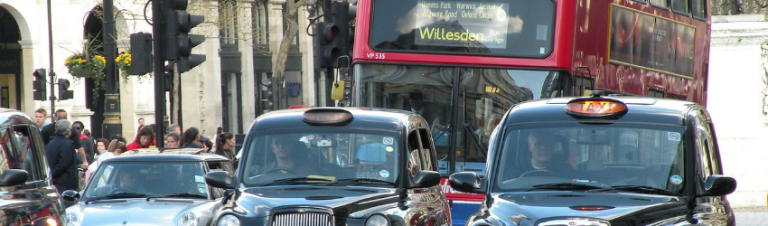
Taxi passenger accident compensation claims
If you have an accident in a collision and you are a passenger in a taxi that was involved, you pretty much have a guaranteed claim for personal injury compensation. If there is a collision, then there should be someone at fault and as such you should be able to make a claim against the driver at fault.
Whether this is the taxi driver or another driver, or even if the blame is split between them, you can still make a full claim for personal injury compensation.
Now, the Christmas season often involves a lot of drinking! So the nights are set to be busy and hopefully people will refrain from drink driving and will use a taxi service. So we are expecting a few calls from people who have been injured in taxi accidents over the festive period!
Read More